Change Management: 5 Tips to Support Your Teams
Article;
Indeed leadership hub. (2024, February 2). https://ca.indeed.com/leadershiphub
Summary;
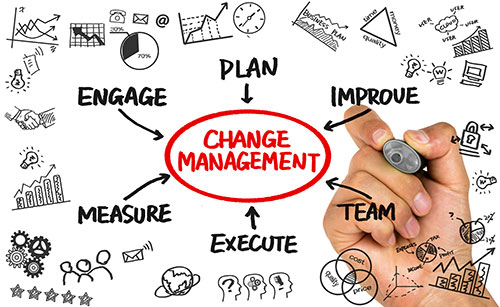
This article posted by the Indeed Editorial Team speaks about the forever changing and evolving work environment. It is inevitable that workplaces will change and expand in terms of how the business is ran as well as how business is conducted. This article explains the 5 essential components that are most widely used within the business sector when it comes to change management. The 5 management approaches in terms of how to properly manage change within the workplace consist of: conveying the message, instilling a sense of urgency, getting the employees involved, putting together a change management committee and ensuring results are measured regularly.
1. Convey the Vision
The first component of successfully managing a changing workplace is to properly communicate the message to all people involved. It is primarily the job of either the CEO or general manager of the company to oversee all of the projects aspects and logistics, rather it is the job of the lower level management team to successfully communicate with the rest of the employees. In this first management component, it is essential to install proper mediums of communication within the company as well as ensure all employees are on the same page and are in agreeance of the changes being made within the company.
2. Instil a Sense of Urgency
The second aspect of proper change management involves enlisting a sense of urgency for change throughout the workplace. Along with conveying the vision to all employees, it is essential to bring forward a sense of urgency regarding the changes about to be made in the organization. It is noted that employees react best when the management team lays out the risks involved if no urgent change is made within a certain time frame.
3. Get the Employees Involved
The third key aspect pertaining to proper change management involves ensuring the employees are actively involved in the changes being made. It is suggested that each level of both management as well as the varying positions within the organizations all come together to collectively create a plan that all employees have the opportunity to become involved in.
4. Set Up a Change Management Committee
The second last component of proper change management procedures involves creating a specific group of people (committee) that focus primarily on executing the changes that are going to be made within the organization. The purpose of the change commitee is to promote the changes being made within the organization and ultimately create proper plans and objectives so that the changes flow as seamless as possible. Additionally, the change committee will act as a liaison between the management team and the rest of the employees. This way, all questions and concerns will go through the change committee to ultimately ensure all opinions and concerns are heard and taken into perspective when creating the change plan.
5. Regularly Measure Results
The fifth and last component of the proper change management procedures is setting up a medium so that the organization can properly measure the results of the changes made. It is suggested that the management team create a survey that all employees fill out in order to monitor their opinions and can express any concerns that may arise after the changes have been made. Not only is it important to monitor the results after the changes have been made, but as well monitor the progress throughout the time when changes are being made. This will ultimatley allow the management team to stay on track of the progress and stay on top of any issues that may arise throughout the process.
Personal Experience;
I do not have any experience when it comes to change management, however I believe that these 5 procedures are essential in ensuring a seamless and smooth change within a workplace. I believe that the most important aspect would have to be setting up a change management committee. In my opinion this is a critical component to the overall success of changes made within an organization as having a dedicated group of people focused solely on ensuring a concrete plan is in place while also allowing others to input ideas and opinions is critical to the overall success. Additionally, I believe that having a designated change management committee, will relieve any extra stress that may other wise fall on upper level management. This will ultimately allow for the management team to focus on their pressing job duties and overall project management of the changes being made, rather than having to take on more unnecessary work.


Comments
Post a Comment